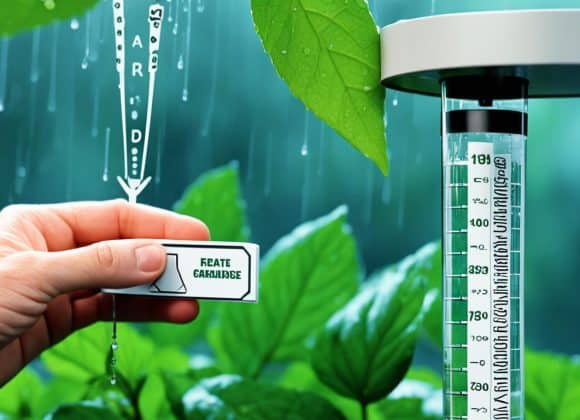
Have you ever pondered over how much rain your garden actually receives? Rain gauges provide accurate measurements and valuable insights for gardening enthusiasts, weather experts, and those passionate about monitoring weather conditions at home.
In my 20 years in agribusiness and conservation, a
This article explores five surprising benefits of using a
Benefits of using a rain gauge
- Helps make informed irrigation and crop maintenance decisions
- Enables understanding and adaptation to change precipitation patterns
- Helps avoid overwatering
- Identify potential flood risks
- Optimizes planting schedules for favorable weather conditions
Why is measuring rainfall with a rain gauge essential for gardeners?
Importance of accurate precipitation measurements
Measuring precipitation is crucial for gardeners since plants require specific amounts of water, and rainfall data can help make informed irrigation and crop maintenance decisions.
Accurate rainfall measurements from properly placed rain gauges can help determine how much water your plants need, allowing you to fine-tune your garden’s water requirements.
How rain gauges can help monitor weather patterns
Monitoring weather patterns with a
By comparing historical and current rainfall data, you can identify trends and plan your planting schedules accordingly.
A rain gauge can also help you make informed decisions about the type of plant and crop to grow in your garden based on local weather patterns and precipitation levels.
Choosing the correct rain gauge for your forecast needs
Various types of rain gauges are available, from simple bucket models to more advanced digital devices that offer precise measurements and additional features.
When selecting a
For example, a wireless digital
Can a rain gauge help prevent overwatering and drought?
Understanding your garden’s water requirements
Using a
Additionally, monitoring rainfall data can help you prepare for periods of drought by informing you about the need for additional water supplies or irrigation systems.
Monitoring rainfall data to avoid overwatering

Overwatering can harm plant health, but by using a
Utilizing rain gauges to plan for droughts
Rain gauges can help gardeners prepare for periods of drought by measuring and tracking precipitation levels. With this data, gardeners can plan and implement water-saving measures and alternative watering strategies to maintain healthy and thriving plants.
Do rain gauges contribute to flood prevention and control?

How rain gauges can help identify potential flood risks
Rain gauges can help gardeners identify potential flood risks by measuring rainfall amounts and spotting trends. This information can enable gardeners to implement preventative measures, such as installing drainage systems, constructing raised beds, and selecting plants resistant to flooding.
Using rainfall data to implement flood-prevention measures
Rainfall measurements can inform flood-prevention strategies, such as building retaining walls, installing French drains, or implementing rain gardens. By taking action to address potential flood risks, you can protect your garden and property from water damage.
Monitoring rainfall trends to predict future flood risks
Rain gauges can help predict future flood risks by allowing gardeners to monitor and compare rainfall trends. This data can inform risk assessments, allowing for proactive flood mitigation efforts and long-term garden planning.
How can a rain gauge improve plant growth and crop yields?

Benefits of using a rain gauge to optimize planting schedules
By measuring and monitoring rainfall data, gardeners can optimize their planting schedules for favorable weather conditions. This can improve plant growth and crop yields, producing more productive and healthy gardens.
Benefits of precipitation data for crop management
Accurate rainfall measurements offer valuable insights into crop management, such as determining irrigation needs, scheduling fertilizer applications, and preventing diseases.
By utilizing rain gauges and precipitation data, gardeners can create a more efficient and practical approach to managing their crops and gardens.
Incorporating rain gauge data into garden planning
Rain gauge data can be incorporated into garden planning to optimize plant selection, planting schedules, irrigation, and drainage systems. Using this data, gardeners can create a more resilient and productive garden that thrives in a changing climate.
What role do rain gauges play in tracking climate change trends and weather patterns?
In my part of central Texas, drought and even flash droughts can come on quickly. Accurate measuring of rainfall can help spot trends and prepare for water requirements.
Comparing historical and current rainfall data
Measuring and monitoring rainfall levels with a rain gauge can provide insights into changing weather patterns and climate change. By comparing historical and current rainfall data, you can identify trends that point to shifts in local and regional weather patterns. This information can inform garden planning, crop selection, and irrigation strategies.
Understanding the impact of changing precipitation patterns on your garden
As weather patterns change, so do the needs of your garden. Tracking rainfall levels using a
Contributing to climate change research by sharing your rain gauge data
Sharing your
By pooling data from various locations, researchers can study and analyze trends to better predict weather patterns and inform climate change mitigation strategies.
Conclusion
The importance of accurate precipitation measurement cannot be overstated, as it plays a crucial role in analyzing and predicting various aspects of our environment.
Advanced tools and methods for rainfall measurement, such as digital monitoring devices, have significantly revolutionized how we view and collect data related to precipitation.
Modern precipitation measurement tools have resulted in more accurate data, which enables a better understanding of the meteorological processes in the atmosphere.
FAQ
What is a rain gauge?
A rain gauge is an instrument used to measure the amount of rain that has fallen over a particular area during a particular period.
Why is a rain gauge one of the essential tools a homeowner can use to measure rainfall data?
A rain gauge is an invaluable tool for a homeowner because it provides precise data that can help you monitor the amount of rainwater that has fallen in your garden and help you plan your watering schedule.
Can a rain gauge help farmers and agricultural workers?
Absolutely! Accurate information about precipitation is vital for farmers who need to know when to plant crops, how much irrigation water will be needed, and when to expect a harvest.
How can a rain gauge benefit cities and local government agencies?
Rain gauges can collect data to help cities and local government agencies make informed decisions about flood warnings, water supply management, and more.
What is the ideal type of container to use for marking rainfall measurements in a rain gauge?
The ideal container for marking rainfall measurements is clear, cylindrical in shape, and graduated in either inches or millimeters.
Can a rain gauge also be a storm warning tool?
A rain gauge can indicate how much rain has fallen in a particular area, but it is not designed to warn about storms or heavy precipitation. For this, you will need a weather station and radar.
Why is accurate data on rainfall so important?
Accurate information about the amount of rainfall can help you plan your watering schedule, avoid unnecessary watering during rainy periods, and help you manage your garden more effectively.
How can a rain gauge help you monitor and measure the rainwater collected for home use?
If you are collecting rainwater for home use, a rain gauge can help you monitor how much water you are collecting and ensure that you are collecting enough water to meet your needs.
In my 20 years in agribusiness and conservation, a
This article explores five surprising benefits of using a
Benefits of using a rain gauge
- Helps make informed irrigation and crop maintenance decisions
- Enables understanding and adaptation to change precipitation patterns
- Helps avoid overwatering
- Identify potential flood risks
- Optimizes planting schedules for favorable weather conditions
Why is measuring rainfall with a rain gauge essential for gardeners?
Importance of accurate precipitation measurements
Measuring precipitation is crucial for gardeners since plants require specific amounts of water, and rainfall data can help make informed irrigation and crop maintenance decisions.
Accurate rainfall measurements from properly placed rain gauges can help determine how much water your plants need, allowing you to fine-tune your garden’s water requirements.
How rain gauges can help monitor weather patterns
Monitoring weather patterns with a
By comparing historical and current rainfall data, you can identify trends and plan your planting schedules accordingly.
A rain gauge can also help you make informed decisions about the type of plant and crop to grow in your garden based on local weather patterns and precipitation levels.
Choosing the correct rain gauge for your forecast needs
Various types of rain gauges are available, from simple bucket models to more advanced digital devices that offer precise measurements and additional features.
When selecting a
For example, a wireless digital
Can a rain gauge help prevent overwatering and drought?
Understanding your garden’s water requirements
Using a
Additionally, monitoring rainfall data can help you prepare for periods of drought by informing you about the need for additional water supplies or irrigation systems.
Monitoring rainfall data to avoid overwatering
Overwatering can harm plant health, but by using a
Utilizing rain gauges to plan for droughts
Rain gauges can help gardeners prepare for periods of drought by measuring and tracking precipitation levels. With this data, gardeners can plan and implement water-saving measures and alternative watering strategies to maintain healthy and thriving plants.
Do rain gauges contribute to flood prevention and control?
How rain gauges can help identify potential flood risks
Rain gauges can help gardeners identify potential flood risks by measuring rainfall amounts and spotting trends. This information can enable gardeners to implement preventative measures, such as installing drainage systems, constructing raised beds, and selecting plants resistant to flooding.
Using rainfall data to implement flood-prevention measures
Rainfall measurements can inform flood-prevention strategies, such as building retaining walls, installing French drains, or implementing rain gardens. By taking action to address potential flood risks, you can protect your garden and property from water damage.
Monitoring rainfall trends to predict future flood risks
Rain gauges can help predict future flood risks by allowing gardeners to monitor and compare rainfall trends. This data can inform risk assessments, allowing for proactive flood mitigation efforts and long-term garden planning.
How can a rain gauge improve plant growth and crop yields?
Benefits of using a rain gauge to optimize planting schedules
By measuring and monitoring rainfall data, gardeners can optimize their planting schedules for favorable weather conditions. This can improve plant growth and crop yields, producing more productive and healthy gardens.
Benefits of precipitation data for crop management
Accurate rainfall measurements offer valuable insights into crop management, such as determining irrigation needs, scheduling fertilizer applications, and preventing diseases.
By utilizing rain gauges and precipitation data, gardeners can create a more efficient and practical approach to managing their crops and gardens.
Incorporating rain gauge data into garden planning
Rain gauge data can be incorporated into garden planning to optimize plant selection, planting schedules, irrigation, and drainage systems. Using this data, gardeners can create a more resilient and productive garden that thrives in a changing climate.
What role do rain gauges play in tracking climate change trends and weather patterns?
In my part of central Texas, drought and even flash droughts can come on quickly. Accurate measuring of rainfall can help spot trends and prepare for water requirements.
Comparing historical and current rainfall data
Measuring and monitoring rainfall levels with a rain gauge can provide insights into changing weather patterns and climate change. By comparing historical and current rainfall data, you can identify trends that point to shifts in local and regional weather patterns. This information can inform garden planning, crop selection, and irrigation strategies.
Understanding the impact of changing precipitation patterns on your garden
As weather patterns change, so do the needs of your garden. Tracking rainfall levels using a
Contributing to climate change research by sharing your rain gauge data
Sharing your
By pooling data from various locations, researchers can study and analyze trends to better predict weather patterns and inform climate change mitigation strategies.
Conclusion
The importance of accurate precipitation measurement cannot be overstated, as it plays a crucial role in analyzing and predicting various aspects of our environment.
Advanced tools and methods for rainfall measurement, such as digital monitoring devices, have significantly revolutionized how we view and collect data related to precipitation.
Modern precipitation measurement tools have resulted in more accurate data, which enables a better understanding of the meteorological processes in the atmosphere.
FAQ
What is a rain gauge?
A rain gauge is an instrument used to measure the amount of rain that has fallen over a particular area during a particular period.
Why is a rain gauge one of the essential tools a homeowner can use to measure rainfall data?
A rain gauge is an invaluable tool for a homeowner because it provides precise data that can help you monitor the amount of rainwater that has fallen in your garden and help you plan your watering schedule.
Can a rain gauge help farmers and agricultural workers?
Absolutely! Accurate information about precipitation is vital for farmers who need to know when to plant crops, how much irrigation water will be needed, and when to expect a harvest.
How can a rain gauge benefit cities and local government agencies?
Rain gauges can collect data to help cities and local government agencies make informed decisions about flood warnings, water supply management, and more.
What is the ideal type of container to use for marking rainfall measurements in a rain gauge?
The ideal container for marking rainfall measurements is clear, cylindrical in shape, and graduated in either inches or millimeters.
Can a rain gauge also be a storm warning tool?
A rain gauge can indicate how much rain has fallen in a particular area, but it is not designed to warn about storms or heavy precipitation. For this, you will need a weather station and radar.
Why is accurate data on rainfall so important?
Accurate information about the amount of rainfall can help you plan your watering schedule, avoid unnecessary watering during rainy periods, and help you manage your garden more effectively.
How can a rain gauge help you monitor and measure the rainwater collected for home use?
If you are collecting rainwater for home use, a rain gauge can help you monitor how much water you are collecting and ensure that you are collecting enough water to meet your needs.