

Why Shop Ethically? The Impact of Your Choices

Every time we spend money, we’re casting a vote for the kind of world we want to live in. When you choose ethically made products, you’re supporting companies that prioritize fair wages, safe working conditions, and environmental sustainability.
The impact of ethical shopping extends far beyond your shopping cart. By supporting responsible businesses, you help create market demand for better practices across industries. Even small purchases add up to significant change when enough people make them.
As Tanja Hester, author of “Wallet Activism,” puts it: “We’ve got a situation where our leaders are failing to act to address the biggest challenges facing us. It’s very reasonable as an individual to say, ‘Okay, but what can I do?’ And a big part of what each of us can do really has to do with our financial choices.”
Start With Mindful Consumption: Buy Less, Choose Well

The most ethical purchase is often the one you don’t make. Before buying something new, ask yourself:
- Do I really need this item?
- Will I use it regularly?
- Could I borrow, rent, or buy it secondhand instead?
- Is it made to last, or will I need to replace it soon?
This mindful approach not only reduces environmental impact but also saves you money. As Alex Crumble from the Ethical Consumer Research Association notes, “People often forget that buying less is one of the best things you can do in terms of sustainability. It’s also good for your bank balance.”
When you do need to make a purchase, look for quality items that will last. The “cost per use” of a well-made item is often lower than repeatedly buying cheap replacements.
Ready to embrace minimalism? Check out The Minimalists for practical tips on living more with less.
Embrace Second-Hand Shopping: Pre-Loved Treasures

One of the top ways to shop ethically is to buy pre-loved items. Second-hand shopping extends the life of products, reduces waste, and keeps your money out of fast-fashion supply chains.
Today’s second-hand market goes far beyond traditional thrift stores. You can find quality used items through:
Local Options:
- Thrift stores like Goodwill and Salvation Army
- Consignment shops
- Vintage boutiques
- Local swap meets and flea markets
- Community clothing swaps
Online Platforms:
- ThredUP – Online thrift store
- Poshmark – Peer-to-peer fashion marketplace
- Depop – Creative community marketplace
- Facebook Marketplace – Local buying and selling
- eBay – For everything from clothes to electronics
Hosting a clothing swap with friends is another great way to refresh your wardrobe without spending money. Everyone brings items they no longer want, and you all go home with new-to-you treasures!
Look for Trusted Certifications: What Labels Really Mean

When shopping for new items, certifications can help you identify truly ethical products. However, not all labels are created equal. Here are some trustworthy certifications to look for:
Environmental Impact
- USDA Organic – No synthetic pesticides or fertilizers
- GOTS – Global Organic Textile Standard
- Energy Star – Energy-efficient appliances
- FSC – Forest Stewardship Council for wood products
Social Responsibility
- Fair Trade Certified – Ensures fair wages and working conditions
- B Corporation – Companies meeting high social and environmental standards
- Living Wage for US – Companies providing fair pay and benefits
- WRAP – Worldwide Responsible Accredited Production
Animal Welfare
- Leaping Bunny – Cruelty-free cosmetics and household products
- Certified Vegan – No animal products or testing
- Global Animal Partnership – Humane animal treatment
- RSPO – Sustainable palm oil production
Be wary of vague terms like “all-natural,” “eco-friendly,” or “green” without certification. These marketing terms aren’t regulated and may be examples of greenwashing.
Want to learn more about ethical certifications? Visit Fair Trade Certified to understand how their standards protect workers and communities.
Support Ethical Brands: Companies Making a Difference
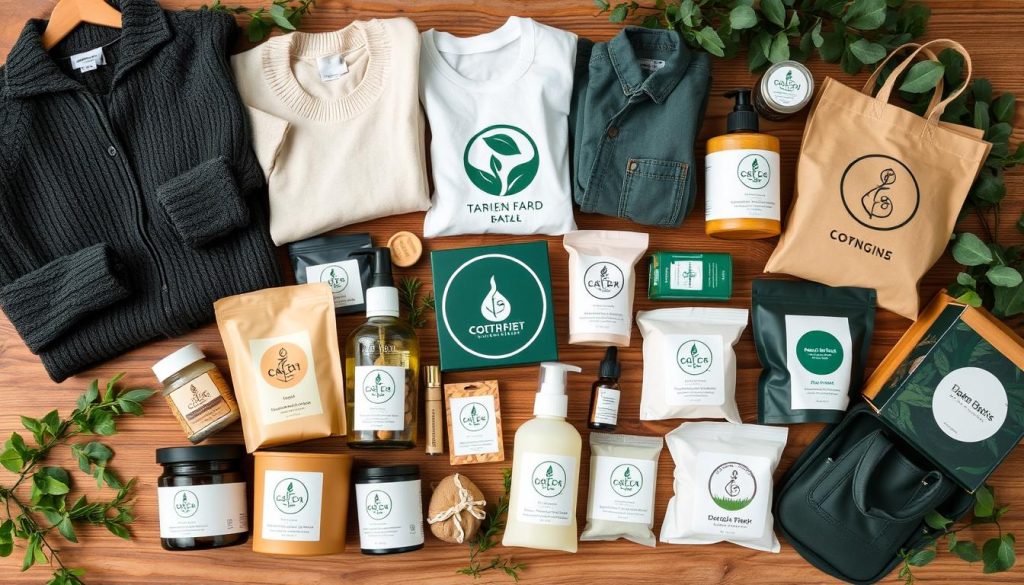
Supporting companies that prioritize ethics in their business model is one of the most direct ways to shop ethically. These brands often cost more than fast-fashion or mass-produced alternatives, but the quality and impact justify the price difference.
| Category | Recommended Brands | What Makes Them Ethical |
| Clothing | Patagonia, Everlane | Sustainable materials, fair labor practices, transparency |
| Food & Groceries | Thrive Market, Equal Exchange | Organic options, fair trade practices, sustainable packaging |
| Personal Care | Dr. Bronner’s, Ethique | Cruelty-free, plastic-free packaging, organic ingredients |
| Home Goods | Ten Thousand Villages, The Sill | Artisan-made, fair trade, sustainable materials |
Can’t afford to shop exclusively from ethical brands? Start with one category that matters most to you, or save up for occasional high-quality purchases while shopping second-hand for other items.
Shop Local: Supporting Your Community
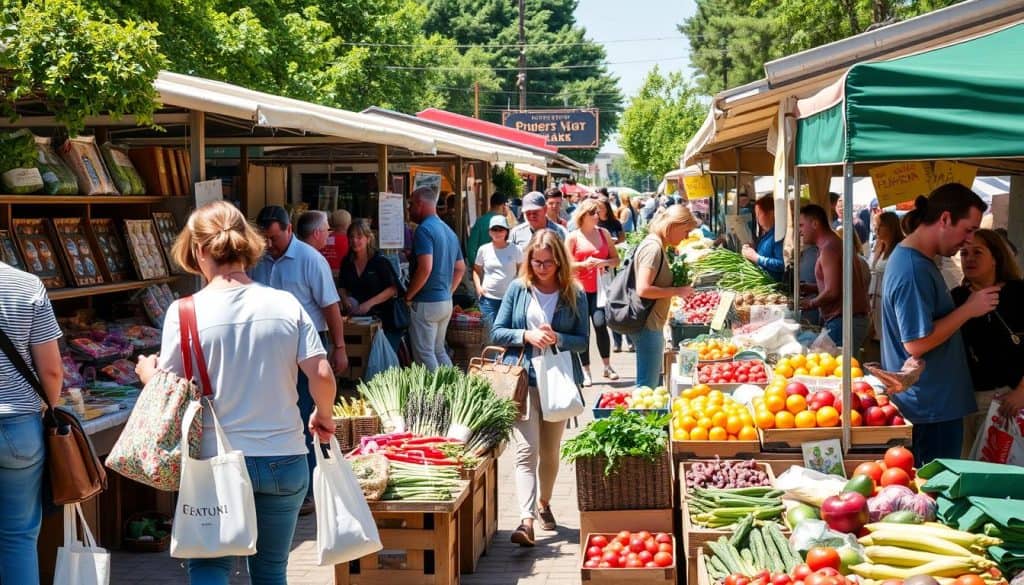
Shopping locally creates a virtuous cycle in your community. When you buy from local businesses:
- More money stays in your local economy (about 68% compared to 43% at chain stores)
- You reduce the environmental impact of shipping and transportation
- You support your neighbors and help create local jobs
- You preserve the unique character of your community
Try dedicating one shopping trip per month to local businesses. Visit farmers’ markets for fresh produce, independent bookstores for your reading material, and local craftspeople for gifts.
Pro Tip: Many farmers’ markets accept SNAP/EBT benefits and offer matching programs to make fresh, local food more accessible to everyone. Ask at your local market about available programs.
Find farmers’ markets near you with the Local Harvest directory.
Consider Ethical Banking and Investing

Ethical shopping extends beyond retail purchases. Your banking choices matter too! Traditional banks often invest your deposits in industries like fossil fuels, weapons manufacturing, or companies with poor labor practices.
Consider switching to ethical alternatives:
- Credit Unions – Member-owned financial cooperatives that reinvest in the community
- Community Development Financial Institutions (CDFIs) – Focus on serving low-income communities
- B Corp Certified Banks – Meet rigorous standards of social and environmental performance
- Green Banks – Specifically avoid fossil fuel investments
Even your payment methods matter. When possible, pay cash at small businesses to help them avoid credit card processing fees that cut into their profits.
Ready to switch? Check out Aspiration for environmentally-focused banking options.
Ethical Shopping on a Budget: Practical Tips

Ethical shopping doesn’t have to break the bank. Here are practical ways to align your values with your budget:
Save Money While Shopping Ethically
- Focus on less but better – Buy fewer, higher-quality items that last longer
- Shop sales and clearance at ethical retailers
- Join email lists for ethical brands to get discount codes
- Look for B-stock or “imperfect” items from ethical companies
- Start with one category that matters most to you
Free or Low-Cost Ethical Actions
- Repair items instead of replacing them
- Host clothing swaps with friends
- Borrow or rent items you’ll only use occasionally
- Use the library instead of buying books and media
- Learn DIY skills for household products and repairs
Remember what Kara Perez from Bravely Go says: “It’s not a choice between doing everything yourself or succumbing to the industrial machine.” Small, consistent changes add up over time.
Avoid Greenwashing: See Through Marketing Tricks

As ethical shopping becomes more popular, some companies use deceptive marketing to appear more responsible than they actually are. This practice, known as “greenwashing,” can make it difficult to identify truly ethical options.
Watch out for these common greenwashing tactics:
- Vague claims like “all-natural,” “eco-friendly,” or “green” without specific details
- Nature imagery on products that contain harmful chemicals
- Highlighting one small positive aspect while ignoring major negative impacts
- Creating fake or misleading “certifications” that look official but lack standards
- Using technical jargon to confuse consumers
When in doubt, research the company’s overall practices rather than trusting packaging claims. Look for transparency in supply chains, manufacturing processes, and labor practices.
For help identifying greenwashing, check out Good On You, which rates fashion brands on their ethical practices.
Start Your Ethical Shopping Journey Today

Ethical shopping isn’t about perfection—it’s about progress. Every mindful purchase you make creates positive ripples that extend far beyond your shopping cart.
Remember these key takeaways:
- Start small with changes that fit your lifestyle and budget
- Focus first on buying less and choosing quality over quantity
- Research brands and look for meaningful certifications
- Support local businesses and second-hand options when possible
- Be patient with yourself—ethical shopping is a journey, not a destination
As Alex Crumble wisely notes, “Ultimately, do the best you can, and don’t feel bad if you don’t feel you can afford the ‘more ethical’ option. But also remember that there may be an ethical option that is actually cheaper than the ‘normal’ option.”
Ready to make a difference with your purchases?
Start your ethical shopping journey today by choosing just one area to focus on. Whether it’s buying second-hand clothes, supporting local farmers, or switching to cruelty-free personal care products, your choices matter!
Join Our Sustainable Living Newsletter
Frequently Asked Questions About Ethical Shopping
What are the top ways to shop ethically on a budget?
Shopping ethically doesn’t require a bigger budget — it often just requires a different approach. The single most effective thing you can do is buy less and choose better. Fewer, higher-quality purchases almost always have a smaller ethical and environmental footprint than frequent cheap ones. Beyond that, second-hand shopping is the budget shopper’s best friend — ThredUP, Poshmark, Facebook Marketplace, and local thrift stores give access to quality products at a fraction of the cost with zero new production impact. When buying new, focus on one category at a time rather than overhauling everything at once. Start with whatever you purchase most frequently — groceries, personal care, or clothing — and make ethical swaps there first. Small, consistent changes add up faster than you’d expect.
What does ethical shopping mean?
Ethical shopping means making purchasing decisions that consider the broader impact of your choices — on workers, animals, communities, and the environment — not just price and convenience. In practice it covers a range of concerns: buying from companies that pay fair wages, choosing products made without child labor, avoiding brands with poor environmental records, and supporting businesses whose values align with your own. It’s worth noting that ethical shopping isn’t a single standard — it’s a spectrum. Some people focus primarily on labor practices, others on environmental impact, others on animal welfare. You don’t have to address all of it at once. The certifications covered above — Fair Trade, B Corp, GOTS, Leaping Bunny — are the practical shortcuts that make it easier to identify genuinely ethical products without researching every brand from scratch.
What are the best environmentally friendly shopping tips for everyday life?
The most impactful habits are simpler than most people expect. Buy second-hand first — extending the life of existing products eliminates the environmental cost of new production entirely. Choose durability over price — a well-made item lasting 10 years has a fraction of the footprint of three cheap replacements. Buy local when possible — local purchases reduce transportation emissions and keep money in your community; about 68% of local spending stays in the local economy versus 43% at chain stores. Look for meaningful certifications like USDA Organic, FSC, or Energy Star rather than vague marketing language. And repair before replacing — a cobbler, a tailor, or a basic repair kit extends the life of what you already own at minimal cost.
What is the difference between ethical shopping and sustainable shopping?
The terms are related but not identical. Sustainable shopping focuses primarily on environmental impact — carbon footprints, waste reduction, renewable or recycled materials. Ethical shopping is broader and also covers human and animal welfare — fair wages, safe working conditions, no child labor, cruelty-free production. A product can be sustainable but not ethical (recycled materials, poor labor practices) or ethical but not especially sustainable (fair trade products with high shipping miles). The ideal is products that score well on both — certifications like B Corp, Fair Trade, and GOTS try to address both dimensions at once.
Where can I find ethical and eco-friendly products online?
A few tools make this much easier than searching brand by brand. Good On You (goodonyou.eco) rates fashion brands on ethics, sustainability, and labor so you can check any brand in seconds. DoneGood is a browser extension that suggests ethical alternatives when you’re shopping on Amazon or other major retailers. ThredUP and Poshmark are the largest online secondhand platforms for clothing. For Fair Trade certified products across many categories, fairtradecertified.org maintains a searchable product directory. And for B Corp certified companies, bcorporation.net has a full company directory. You don’t need all of these — pick one or two that match your shopping style and use them consistently.
How do I spot greenwashing and avoid being misled?
Greenwashing — using vague or misleading environmental claims to appear more ethical than a company actually is — is genuinely common. The red flags to watch for: unverified buzzwords like “all-natural,” “eco-friendly,” “green,” or “conscious” with no certification behind them; nature imagery on products containing synthetic chemicals; highlighting one small positive (recyclable packaging) while ignoring major negatives (toxic ingredients or poor labor); and invented badges that look like certifications but have no independent standards body. The defense is looking for real third-party certifications — Fair Trade, B Corp, GOTS, Leaping Bunny, USDA Organic — all of which require independent verification. Genuinely ethical brands are typically transparent about their entire supply chain, not just the flattering parts.
Can you really shop ethically if you’re on a tight budget?
Yes — and some of the most impactful ethical choices cost nothing or save money. Buying second-hand is almost always cheaper than buying new. Repairing instead of replacing saves money. Borrowing or renting items you rarely need costs little or nothing. Buying from local farmers’ markets can be price-competitive with grocery stores for seasonal produce. And buying less overall — fewer but better things — reduces total spending even when individual items cost more. The idea that ethical shopping is only accessible to people with disposable income is largely a myth. Many of the most effective ethical habits are also the most financially sensible ones.


