Imagine setting up the best A weather station often includes a
This issue is common among climate enthusiasts. Accurate measurement is critical. Things like calibration and where your gauge is placed matter. This guide will show you how to get precise data from your weather station.
Your rain gauge is critical to understanding the skies. Let’s make sure it accurately records every raindrop that falls.
Key Takeaways
- Understanding the fundamentals of rain gauge calibration could help you avoid obtaining inaccurate readings from your weather station.
- Regular maintenance is crucial to rain gauge accuracy and gathering precise precipitation data.
- Knowing your instruments and software, like Hydro-Link™ for CR300 or CR310 dataloggers, enhances the trustworthiness of your rainfall data.
- Measuring precipitation accurately requires mindful placement and calibration of your
rain gauge on your property. - Precision in a weather station is desirable and achievable with a consistent and informed approach.
Choosing the Ideal Gauge Location to Avoid Common Errors
If you love weather watching, picking the right spot for a
Assessing environmental factors that can affect rain gauge accuracy
Your gauge location’s environment plays a significant role in data correctness. Things like buildings or trees can change wind flow and make a shelter that messes with your readings. It’s critical to choose a place where these issues are minimal. This step is crucial for those using a collector for science.
Ensuring no obstructions within the vicinity of the gauge
Setting up your gauge with no blocks nearby is crucial for accurate readings. The best spot is clear and far from any potential blocks at the gauge height. Following advice from top groups, like the Australian Bureau of Meteorology, helps avoid wrong readings from wind swirls.
Comparing different types of rain gauges for various site conditions
Whether you’re new or a pro, choosing the right
Starting with the right spot for your gauge is key to good precipitation data. By being careful with location, aware of surroundings, and wise in choosing a gauge—be it a tipping bucket
Calibration Check: Ensuring Your Rain Gauge Measures Up
The accuracy of your rain gauge is crucial to your weather station. Properly calibrating your gauge means it accurately reflects rain data. Regular checks help maintain your trust in the data you collect.
The Importance of Regular Calibration Checks for Accurate Precipitation Measurement
To get precise rain measurements, regularly check your
Step-by-Step Guide on How to Calibrate Your Rain Gauge
Calibration seems complicated, but it’s easy to do. Follow these steps:
- Get a clean container filled with a specific amount of water.
- Gently pour this water into your
rain gauge , imitating real rain. - Compare the gauge’s reading with the water volume you used. Differences show your gauge needs adjusting.
- Adjust your gauge’s settings and test again to ensure accuracy.
Regularly calibrating your gauge improves the quality of your rainfall data. It keeps your data reliable.
Troubleshooting Common Calibration Errors and How to Correct Them
Sometimes, even with careful calibration, errors happen. Make sure your gauge connects properly after each check. Use tools like Hydro-Link software wisely to prevent false readings, ensuring your gauge must provide accurate data. Always clean and reset your
Fixing minor errors quickly prevents more significant problems later. Your
Understanding Tipping Bucket Rain Gauges and Manual Gauges
Choosing the right gear for rainfall data collection is crucial. We’ll look at two gauge types: tipping buckets and manual gauges. Each has its own pros and cons regarding Installing a
How tipping bucket rain gauges work and their role in accurate rainfall data
Tipping bucket rain gauges accurately record rainfall intensity. Rain funnels into a bucket that tips after collecting a specific amount, triggering a sensor. This process consistently captures rainfall data, accounting for even 1.5 inches of rain per hour. Yet, you must install it levelly and maintain it well to avoid errors from vibrations and debris.
Advantages and drawbacks of manual gauges in measuring precipitation
Manual gauges are more straightforward than tipping buckets and work well even in low rainfall intensity areas. You must measure precipitation manually, which suits remote or basic setups. However, manual recording can lead to mistakes and needs careful data collection and analysis.
Choosing the best gauge type for your station based on rainfall intensity
Consider your area’s rainfall intensity when picking a gauge for your weather station. Tipping bucket gauges are suitable for places with lots of rain. They efficiently record heavy showers. However, manual gauges might be better for lighter or irregular rain due to cost and ease of maintenance. Both options require correct installation and setup for accurate precipitation measurements.
Accurate Recording: Practices for Precise Precipitation Measurement
The way you record is critical to getting precise precipitation data. Using the proper methods, tools, and tech helps you measure rainfall accurately. It involves more than just reading numbers; it combines manual and automated methods to cut errors and get accurate readings.
Tips for Reducing Error in Manual Rainfall Recording
For better accuracy in manual recording, being precise is essential. Record the time and amount right after it rains to avoid mistakes. Ensure the funnel’s surface area is correct, and check the water volume regularly.
Here’s a tip for manual gauges: ensure your instrument is level. This dramatically reduces mistakes.
Bridging the Gap Between Tipping Bucket Gauges and Accurate Precipitation Data
Tipping bucket gauges are vital in measuring rain. Make sure the bucket tips at the right moments to get accurate data, using a reed switch for precision. Calibrate regularly to keep the tipping sensitive, ensuring each tip matches the right rainfall volume of 0.2mm per tip.
Utilizing Technology for More Precise Measurements and Easier Recording
Technology is your ally in measuring rain accurately. Modern software gives you precise data quickly. Wireless tech sends data straight to you, making recording more straightforward and reducing human mistakes.
| Aspect | Manual Recording | Tipping Bucket Gauge | Technology Aids |
|---|---|---|---|
| Error Reduction Strategy | Immediate recording and consistent gauge placement | Regular calibration and sensitivity adjustments | Software for automated data collection and analysis instrument |
| Instrument Characteristics | Manual reading and logging | Automated tipping bucket mechanism for water collection | Interfacing with instruments for data accuracy enhancement |
| enhancement maintenanceding careful manual methods, advanced tipping bucket gauges, and cutting-edge technology, you build a strong system. This ensures you get rainfall data that’s both accurate and trustworthy. |
Interpreting Data: From Raw Readings to Accurate Rainfall Information
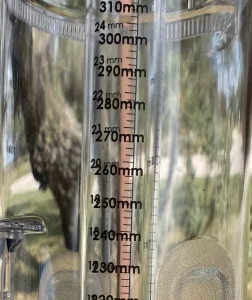
Unlocking the secrets to effective precipitation measurement involves several steps. The journey from installing a
Once you have your gauge readings, it’s time to calculate the rainfall you’ve received. This conversion is vital for personal and broader meteorological understanding.
How to calculate the amount of rainfall from your gauge readings
A specific calculation is needed to turn your gauge readings into useful rainfall metrics. You divide the volume collected by the gauges at local weather stations by the funnel’s surface area. This gives you a millimeter or inch value for the rainfall amount. Software tools and the reed switch in your gauge must work together for precise weather measurement. help automate this step, reducing data logging and calculation errors.
Verifying the accuracy of your data against local weather stations
Accuracy is critical in science, especially when measuring rainfall in inches per hour. To verify your gauge readings, compare them with data from local weather stations. This step boosts confidence in your methods and identifies needed corrections. It ensures your console displays the most accurate weather data possible. rainfall data analysis is accurate and meets professional standards.
Software and tools that can help in analyzing and logging rainfall data
Today, software tools are vital in logging and analyzing data accurately. For instance, Hydro-Link software has changed how we manage gauge readings. These tools are crucial for anyone dedicated to understanding weather patterns.
Preventing Inaccurate Readings: Maintenance Tips for Rain Gauges
It’s crucial to keep your rain gauges well-maintained for precise rain measurements. This is important whether you’re a pro meteorologist or just love weather. With regular maintenance, you can avoid inaccurate readings. Let’s look into essential maintenance tips to keep your gauges great.
Regular Maintenance Tasks to Ensure Your Gauge Stays Accurate
Regular maintenance is vital for your
Dealing with Common Issues like Debris, Draining, and Resetting Sensors
Debris can cause problems by blocking your gauge. Leaves, bugs, and dirt can lead to wrong rainfall numbers. Make sure your gauge drains well. Clear any blocks quickly. After cleaning, resetting sensors helps keep your gauge accurate.
When to Replace Parts or the Entire Gauge for Optimal Precipitation Measurement
Sometimes, parts or the whole
Here’s a table showing how often to do specific maintenance tasks:
| Maintenance Activity | Frequency | Notes |
|---|---|---|
| Inspecting for Debris | Weekly | Check for leaves, twigs, and other obstructive debris. |
| Cleaning Collector and Funnel | Monthly | Clean with water and a gentle brush to remove any build-up. |
| Resetting Sensors | After Cleaning | Ensure sensors are reset to default settings following maintenance. |
| Calibration Check | Biannually | Run calibration tests to verify the accuracy of readings. |
| Part Replacement | As Needed | Replace parts when wear and tear compromises the gauge’s function. |
| Full Gauge Replacement | When Performance Is Consistently Impacted | Consider complete replacement if the gauge no longer provides accurate measurements, even after recalibration. |
Following these rain gauge practices will help you avoid common measurement problems. The key to optimal precipitation measurement is paying careful attention to your gear.
Conclusion
To improve your weather station, it’s key to mix many important parts. This ensures you measure rainfall very accurately. First, place your
Keep your gauge well and check it often to keep it last longer and stay accurate. Adding new tech like Hydro-Link makes everything easier and more precise, boosting the trustworthiness of your rain measurements. Staying consistent in care and using innovative technology is vital to keeping your gauge precise.
As you aim to be great at studying weather, remember your actions now shape future data gathering at your station. Mix careful tech calibration with checking the environment around you. Doing this keeps your rain records correct and helps us learn more about weather patterns that impact our planet.
FAQ
How can I ensure accurate measurement with my rain gauge ?
Place your
What are the common errors that can affect rain gauge accuracy?
Errors can come from placing the gauge in the wrong spot, which creates wind problems or sheltering. Nearby structures, issues with the tipping bucket, calibration mistakes, and blockages from debris or bird nests also cause errors.
How often should I calibrate my rain gauge ?
You should clean your
What should I consider when choosing a rain gauge for my weather station?
Think about where you’ll place the gauge, the local weather, and how much rain you usually get. Based on these considerations and whether you prefer automatic or manual recording, choose between a tipping bucket and manual gauges.
How do tipping bucket rain gauges work?
These gauges have a funnel that fills a bucket. Once the bucket is full, it tips and records the rainfall amount. Each tip means a specific amount of rain has fallen, usually 0.01 inches or 0.2 mm.
How can I reduce errors in manual rainfall recording?
For fewer errors, watch the water level in the funnel. Measure regularly and calibrate your gauge often. Tools and technology can make recording easier and more accurate.
What is the best practice for interpreting data from my rain gauge ?
Calculate rainfall from the volume and the funnel area to interpret data correctly. Compare your data with local weather stations. Use software for easier testing and logging.
When should I consider replacing parts or my entire rain gauge ?
Consider replacing parts or the whole gauge if problems persist, even after maintenance and calibration. If your readings are off by more than 5%, it’s time to check and possibly replace parts.